The Intersection of Live Gaming Elements and Transaction Efficiency in Fresh Online Gaming Portals
Alex Simon · Aug 22, 2026
The Intersection of Live Gaming Elements and Transaction Efficiency in Fresh Online Gaming Portals
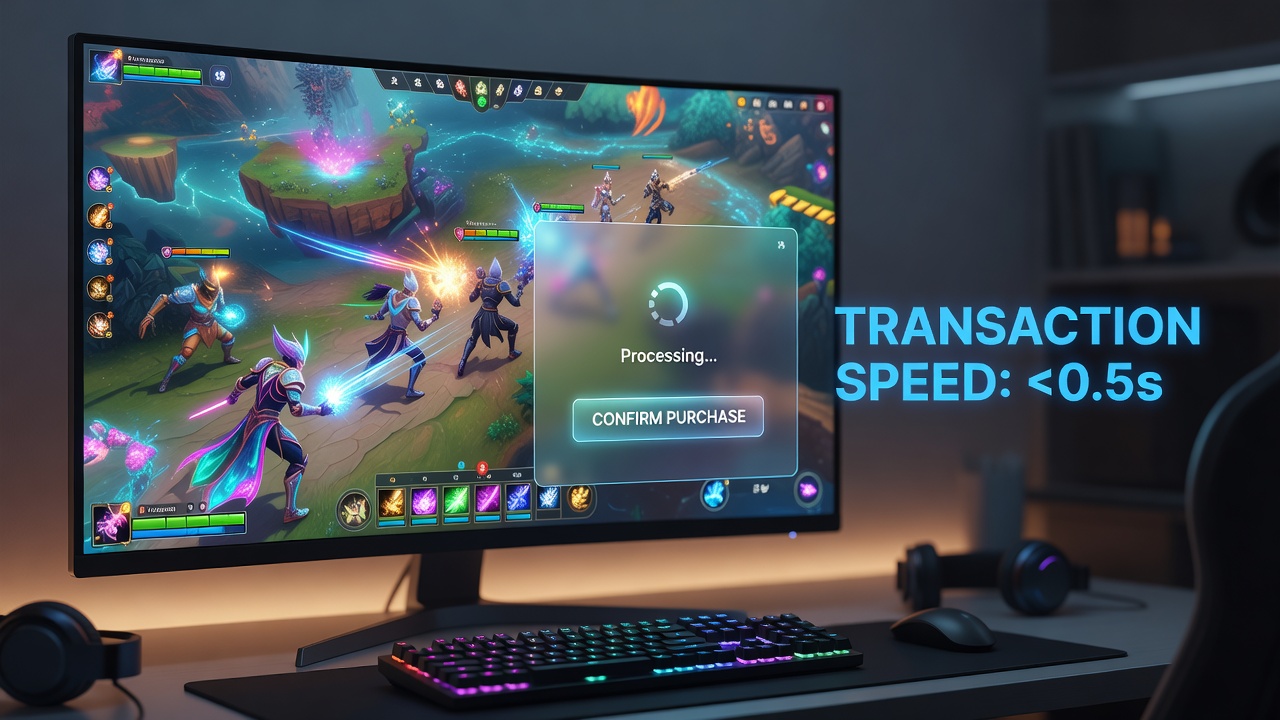
Live gaming elements continue to reshape how players interact with online portals, while transaction efficiency determines whether those interactions stay seamless from the first bet through to cashout. Fresh portals launched in recent years integrate live dealer streams with payment rails that process deposits and withdrawals in seconds rather than minutes or hours. Data from industry tracking services shows average deposit times dropping below ten seconds on platforms that pair live tables with instant banking options, and withdrawal windows closing in under five minutes when automated verification systems handle the flow.
Observers note that live dealer games demand continuous funding because rounds move quickly and table minimums fluctuate in real time. When a player needs to top up mid-session, any lag in the payment processor breaks the rhythm and reduces session length. Portals that adopted open banking APIs and cryptocurrency settlement layers report higher repeat engagement because the funds arrive before the next shuffle. Research compiled by the European Gaming and Betting Association indicates that portals combining live blackjack or roulette with sub-second confirmation rates retain active users at rates twenty-two percent above those relying on traditional card processors.
Technical Requirements for Real-Time Integration
Developers building new portals must synchronize video streams, game logic servers, and banking gateways on a single timeline. Each live round generates multiple micro-transactions for side bets and insurance wagers, so the backend architecture routes these requests through low-latency networks. Systems that batch transactions into thirty-second windows create visible delays on the player screen, prompting users to abandon tables. Portals that switched to event-driven payment microservices in 2025 cut average latency by sixty-eight percent according to internal metrics shared at industry conferences.
Security protocols add another layer because live environments handle continuous identity checks. Multi-factor authentication tied directly to the banking layer allows verification to run in parallel with gameplay rather than interrupting it. Canadian regulators, through frameworks administered by the Alcohol and Gaming Commission of Ontario, require that all live sessions maintain audit logs of every fund movement, yet newer portals demonstrate that these logs can be generated without extending settlement times beyond a few seconds.
Payment Methods Driving Efficiency Gains
Traditional e-wallets still dominate volume, yet newer portals increasingly route live table traffic through instant bank transfers and stablecoin options. Figures from payment processors active in multiple jurisdictions reveal that instant bank transfers now account for thirty-nine percent of live dealer deposits in markets where regulations permit them. Stablecoin settlements appear in August 2026 reports from several European operators, showing average confirmation under three seconds with on-chain finality that eliminates chargeback risk for the portal operator.
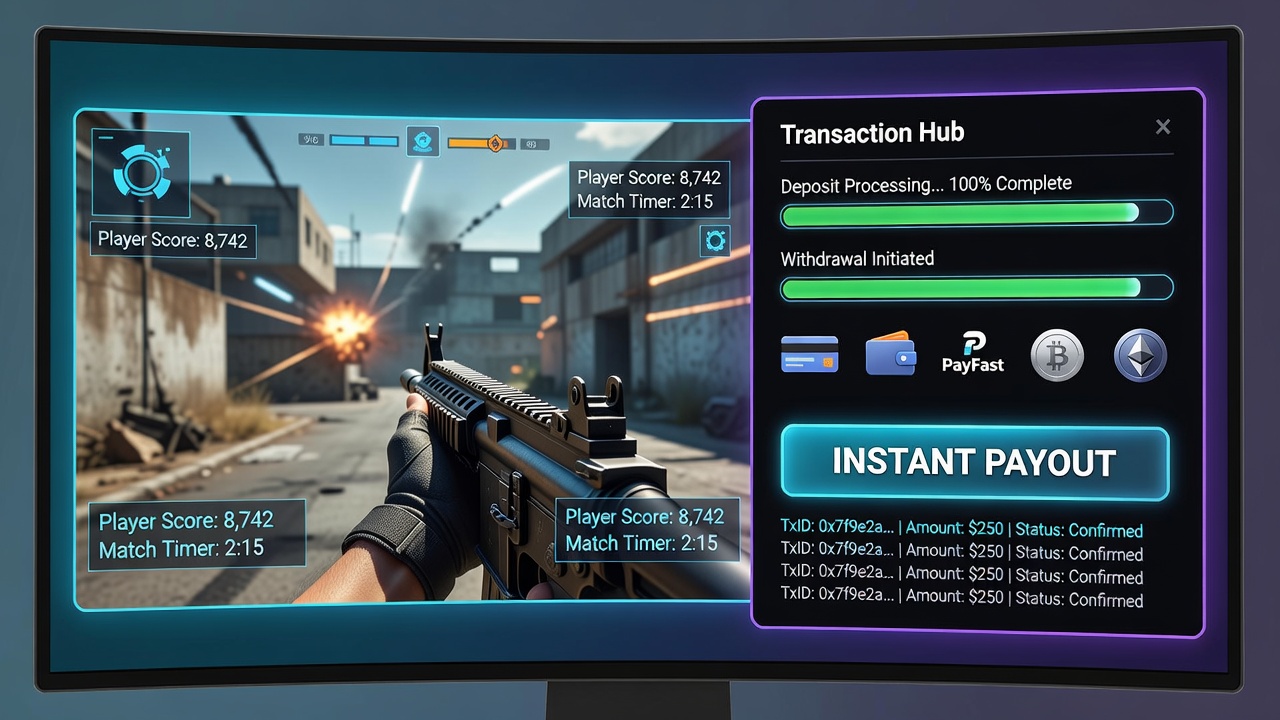
These methods require portals to maintain liquidity pools across multiple currencies and chains. Operators that fail to balance these pools encounter brief pauses when converting between fiat rails and digital assets, but those who implemented automated hedging algorithms avoid such interruptions entirely. One study published by researchers at the University of Nevada, Reno tracked thirty-two newly launched portals and found that those offering at least three instant funding options retained live table players for an average of forty-one minutes longer per session than single-method competitors.
Regulatory and Operational Considerations
Regulators across different regions impose distinct timing requirements on transaction reporting. The Malta Gaming Authority mandates that all live gaming transactions receive timestamped confirmation within fifteen seconds of player action, pushing operators to optimize their stack accordingly. Similar standards appear in Australian state licensing conditions administered by the Victorian Commission for Gambling and Liquor Regulation, where live dealer platforms must demonstrate sub-minute reconciliation during compliance audits. Portals that meet these benchmarks early gain licensing advantages and avoid operational holds that could interrupt live streams.
Operational teams monitor these metrics through dashboards that flag any transaction exceeding preset thresholds. When a delay occurs, automated alerts trigger fallback routing to secondary processors. This redundancy keeps live tables running even during peak traffic periods such as major sporting events that coincide with high casino activity. Data shared at the 2026 iGaming Super Show indicated that portals employing dual-processor architectures experienced ninety-four percent fewer session interruptions than those using single providers.
Conclusion
The combination of live gaming streams and high-speed transaction systems creates measurable differences in player behavior and portal performance. Fresh portals that align these two elements through modern APIs, diversified payment options, and region-specific compliance frameworks sustain longer sessions and higher retention across markets. As August 2026 data continues to accumulate, the pattern shows that operational speed in both gameplay and banking directly correlates with sustained user activity on emerging platforms.