Encore Boston Harbor Workers Stage Walkout After Contract Expiration
Harper Hayes · Sep 4, 2026
Encore Boston Harbor Workers Stage Walkout After Contract Expiration
More than 1,300 employees at Encore Boston Harbor walked off the job on Friday morning once their contract with Wynn Resorts expired, and the action involved housekeepers, slot attendants, waitstaff, and drivers who provide essential services across the property. Unions reported that the company sought to offset wage increases by shifting health care costs directly to employees, and this approach created a sticking point during talks that ultimately collapsed without a new agreement. The Massachusetts casino now faces operational disruptions as a direct result of these failed negotiations, and the situation underscores ongoing labor dynamics in the regional gaming sector.
Details of the Labor Action
The strike began early Friday as workers left their posts in coordinated fashion, and participants came from multiple departments that keep daily operations running smoothly at the Everett facility. Housekeepers handle guest room maintenance while slot attendants manage gaming floor equipment, yet both groups joined waitstaff from restaurants and drivers who transport patrons, forming a broad coalition that halted normal service levels. Reports indicate the prior contract had covered these roles under terms negotiated previously with Wynn Resorts, but expiration left no immediate replacement in place and forced the walkout. Observers note that such actions often follow extended bargaining sessions where cost allocations, including those for medical coverage, remain unresolved between management and employee representatives.
Background on Contract Negotiations
Negotiations at the Massachusetts casino had continued for weeks leading up to the deadline, yet they did not yield terms acceptable to both sides according to union statements. The company proposed adjustments that would tie wage gains to increased employee contributions toward health plans, and this structure prompted the unions to reject the offer as unbalanced. Data from industry sources shows similar patterns at other large resorts where health care expenses represent a growing share of total compensation packages, and the Encore Boston Harbor case reflects those broader pressures without resolution. Workers maintained picket lines outside the property shortly after the walkout started, and this visible presence signaled the depth of disagreement over the proposed changes.
Impact on Casino Operations
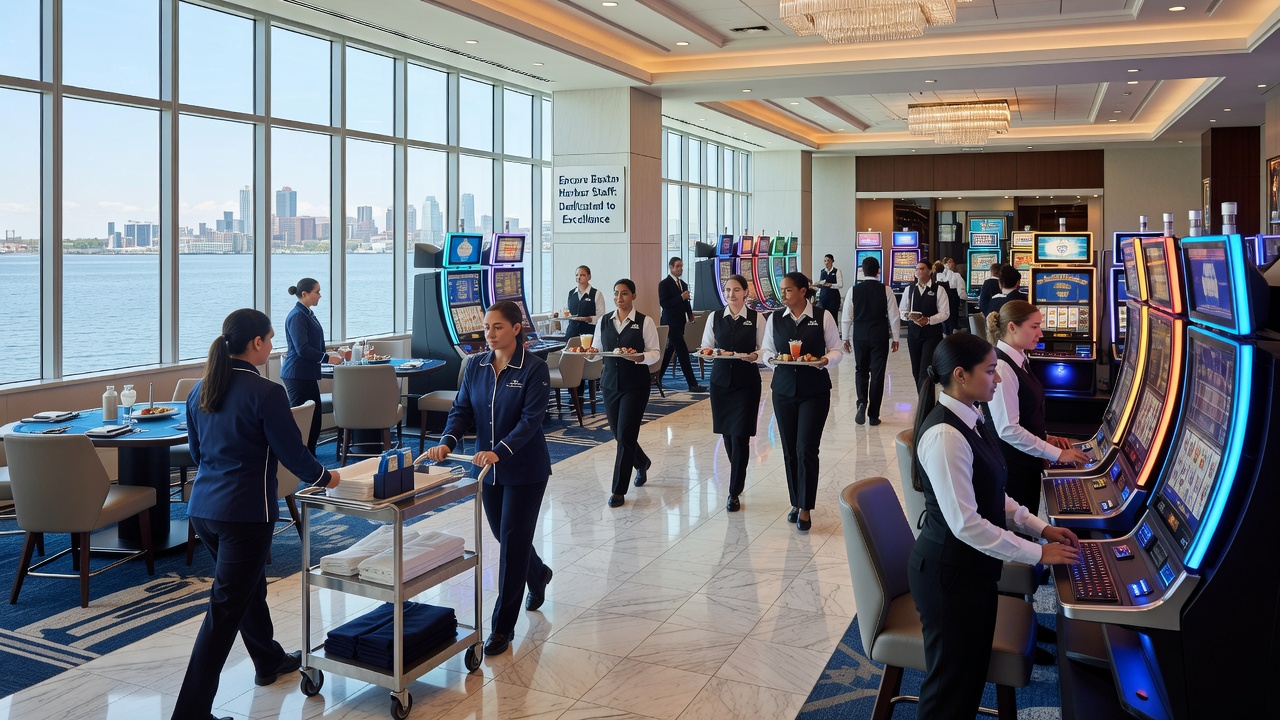
Encore Boston Harbor experienced immediate effects once the employees departed their stations, and management had to adjust staffing across dining areas, gaming floors, and transportation services to maintain partial functionality. Slot attendants normally assist with machine payouts and troubleshooting, whereas drivers coordinate guest shuttles, yet both functions faced reductions that limited guest access and convenience. The property, operated under Wynn Resorts oversight, continues to function with remaining personnel, but the scale of the walkout involving over 1,300 individuals created measurable gaps in coverage. Those who study hospitality labor patterns recognize that such strikes can extend depending on how quickly talks resume and whether cost-sharing proposals receive further revision.
Union and Company Positions
Unions representing the workforce highlighted health care cost shifts as the central issue blocking agreement, and they framed the proposal as an attempt to erode the value of any wage gains through higher deductibles or premiums. Company representatives, in turn, have emphasized the need for sustainable cost structures amid fluctuating operational expenses, though specific counteroffers remain under discussion according to available updates. This back-and-forth follows standard procedures in collective bargaining for casino properties, and it aligns with practices documented by labor organizations that track hospitality agreements nationwide. The Massachusetts location adds a layer of regulatory oversight from state gaming authorities, which monitor employment conditions at licensed facilities without direct involvement in private contract talks.
Additional context comes from casino.org reports that detail the timeline of the expired agreement and the subsequent action, while figures from the U.S. Department of Labor illustrate national trends in benefit negotiations within service industries. These sources provide perspective on how wage and health care trade-offs appear in multiple sectors, and the Encore situation fits within that framework without unique deviations noted so far.
Conclusion
The walkout at Encore Boston Harbor stands as a clear example of stalled contract renewal when health care cost distribution becomes the primary point of contention between unions and management. Over 1,300 workers from key operational roles participated in the Friday morning action, and the absence of a new agreement leaves both parties to determine next steps in the coming period. This single event at the Massachusetts casino continues to unfold based on the details reported by involved unions and the company response.