Atlantic City Casinos Report Profit Decline in Second Quarter Despite Revenue Growth
Harper Hayes · Aug 26, 2026

Atlantic City Casinos Report Profit Decline in Second Quarter Despite Revenue Growth
Data from the second quarter of 2026 shows Atlantic City’s nine brick-and-mortar casinos posted a 9.3 percent year-over-year drop in collective gross operating profits, bringing the total to 164.5 million dollars, though some reports list the figure at 162.4 million, while net revenue rose a modest 1.3 percent to 836.5 million dollars for the April through June period, and observers note that rising labor, overhead plus other operating costs compressed margins across the board.
The Division of Gaming Enforcement released its quarterly financial report in early August 2026, and those figures reveal that first-half profits for the year fell 14.9 percent compared with the same six months in 2025, yet every single property stayed in the black even as seven of the nine locations recorded lower profits than they had twelve months earlier.
Revenue Growth Masked by Cost Pressures
Net revenue edged higher across the market, which on the surface points to steady visitor spending and slot plus table game activity, but the same data set indicates that expenses climbed faster than income, and analysts tracking the results point to labor agreements, utility rates plus maintenance outlays as primary drivers behind the margin squeeze, while the report itself does not break out exact line-item increases.
Because gross operating profit equals revenue after direct operating costs, the 9.3 percent contraction signals that casinos absorbed higher payroll and overhead without a matching boost in player volume or win per visitor, and industry observers who reviewed the numbers note that this pattern has appeared in prior quarters when wage pressures intensified.
Property-Level Performance Details
All nine casinos generated positive gross operating profits during the quarter, a fact that underscores the market’s underlying stability, yet the distribution of those profits shifted, with seven locations posting year-over-year declines that ranged from modest single-digit drops to steeper reductions at certain properties, and the two casinos that avoided declines still operated under the same cost environment affecting their peers.
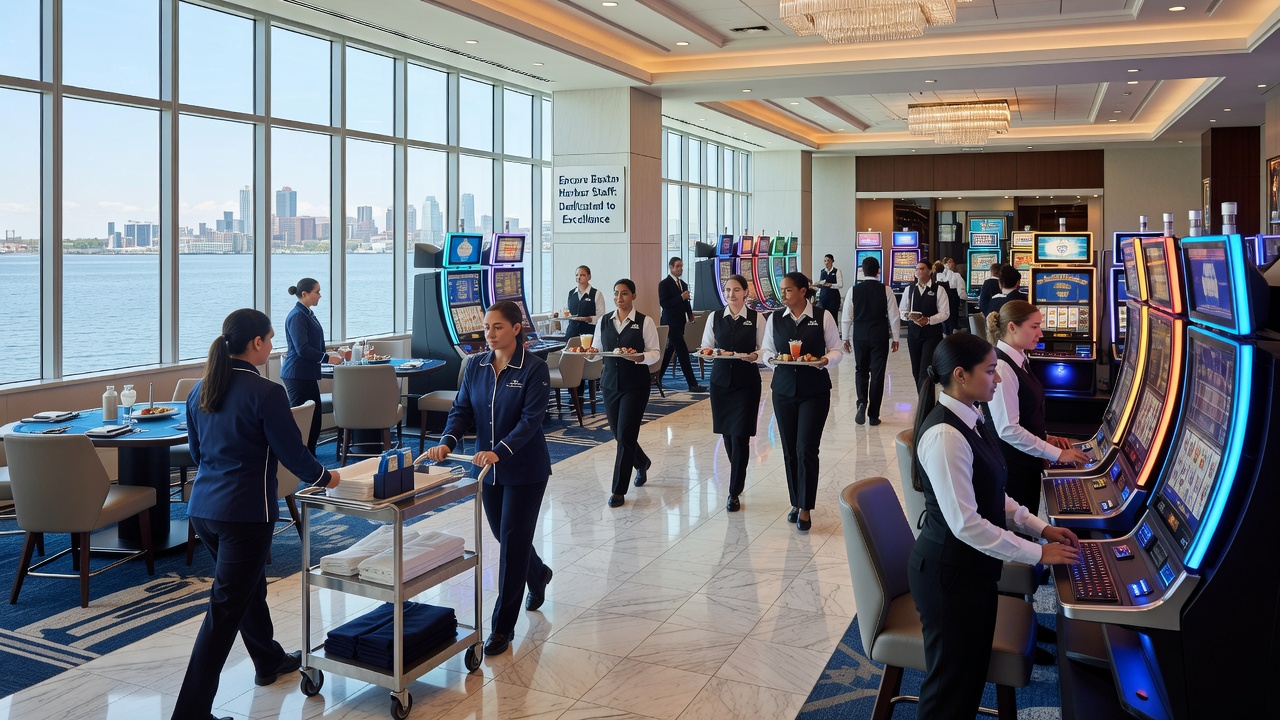
The DGE report aggregates results without naming individual properties in its headline summary, which keeps the focus on market-wide trends, and those who follow the filings closely often cross-reference supplemental tables to identify which operators managed costs more effectively than others during the three-month span.
Context Within Broader Market Trends
Second-quarter results sit inside a longer stretch of mixed performance for Atlantic City’s land-based sector, where modest revenue gains have become common while profit erosion tied to operating expenses has drawn repeated attention in regulatory filings, and the 14.9 percent first-half profit decline extends a pattern already visible in the first quarter when similar cost pressures surfaced.
Because the nine casinos represent the complete brick-and-mortar market, collective figures provide a clear snapshot without sampling bias, and the fact that revenue could still advance even as profits retreated illustrates how expense growth can outpace top-line improvement when labor and overhead components accelerate, according to the data released in August 2026.
Implications for Ongoing Operations
Operators now face the second half of 2026 with the knowledge that cost containment will remain central to protecting margins, and the report’s emphasis on labor plus overhead increases suggests that future quarters may continue to show divergence between revenue and profit trajectories unless expense growth moderates, while all properties staying profitable offers a baseline of resilience despite the aggregate decline.
Those reviewing the quarterly numbers also note that the modest 1.3 percent revenue increase occurred against a backdrop of stable visitation metrics reported separately by the Casino Reinvestment Development Authority, which means the profit contraction stems primarily from the cost side rather than from any drop in customer activity during April, May and June.
Conclusion
The second-quarter 2026 results from Atlantic City’s nine casinos therefore highlight a market that continues to generate revenue growth yet must navigate sustained upward pressure on operating expenses, and the 9.3 percent profit drop alongside the 14.9 percent first-half decline provide concrete benchmarks for how those pressures manifested during the period, with every property remaining profitable even as seven recorded reduced earnings compared with the prior year.